

 See My Latest Article on HelloNation
Why Is a Realistic Moving Timeline Important for Prairieville, LA Residents?
A realistic moving timeline helps local households anticipate the unique timing challenges that can arise in Prairieville. Beyond securing a new home, timing impacts school registrations, lease or sale transitions, and adapting to local weather or seasonal patterns. Without a clear plan, moves can become rushed or stressful, leading to missed details or unexpected costs.
Local considerations, such as the possibility of heavy rainfall, summer heat, or high humidity, may affect how and when packing, transportation, or move-in activities unfold. Allowing flexibility for these factors is key to a smoother experience.
When Should You Start Planning Your Move?
Most area moves benefit from allowing six to eight weeks, though some may need more time depending on home sales, rental terms, or school calendars. Begin the planning process as soon as there's clarity about relocation to allow for the widest choice of move dates and resources.
For homebuyers, the closing date often becomes the target, but factor in flexible windows for any delays related to inspections or final paperwork. For renters, check lease terms for minimum notice requirements. Adjust the timeline for families depending on enrollment cutoffs or transportation needs—especially since moving during summer or between academic terms can reduce disruption.
What Common Steps Should Be Included on a Local Moving Timeline?
A clear timeline usually includes the following major phases, each with tasks that may need adjustment based on local needs:
- 6-8 Weeks Before Moving:
- Notify landlords (if renting) or initiate property sale if needed.
- Begin sorting, donating, or discarding items.
- Research temporary storage in case of gap days between move-out and move-in.
- 4-6 Weeks Out:
- Organize school transfers and obtain necessary documentation.
- Reserve local moving trucks or arrange for helpers; availability fluctuates based on area demand, especially during late spring and early summer.
- Begin collecting packing supplies and packing non-essentials.
- Last 2-4 Weeks:
- Confirm move-out/move-in dates with all parties involved.
- Change mailing address with relevant agencies and services; update voter registration if needed.
- Arrange for utilities to be transferred or set up in the new home; some services in the area require several days’ notice.
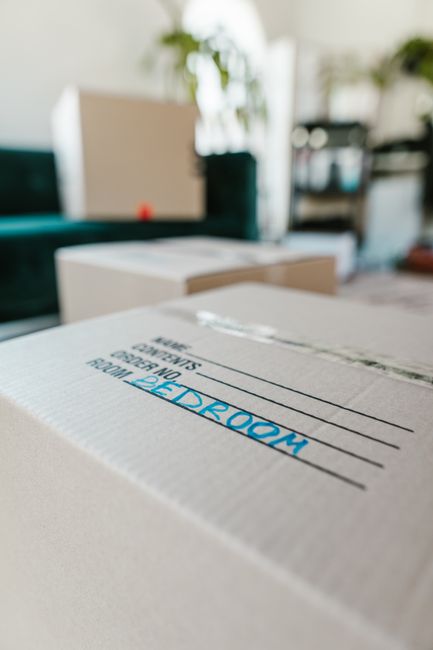
- Continue packing, labeling boxes by room for easy unloading.
- Final Week:
- Pack an essentials bag for each family member (including medications, documents, food, and weather-appropriate clothing).
- Check the forecast and plan accordingly for rain or severe heat, which is common year-round in Prairieville.
- Do a final walkthrough of old property to check for forgotten items or damage.
How Can Local Weather and Climate Impact Your Timeline?
Prairieville’s subtropical climate brings distinct planning considerations. Sudden storms, prolonged rainfall, or unseasonable heatwaves can affect every stage—packing, loading, and travel.
- Rain can result in slippery driveways and potential delays, so having tarps and plastic covers ready is useful.
- Summer heat requires hydration breaks and lighter work during midday hours. Sensitive belongings, such as electronics or plants, might need to be packed last or moved in climate-controlled vehicles.
- Dense humidity means sealed boxes are critical to protect papers, photos, and clothing from moisture.
Staying flexible and monitoring short-term weather forecasts throughout the moving process reduces last-minute disruptions.
How Should Moves Be Adjusted for Families, Pets, or Special Needs?
Families often require more detailed timelines, especially around school schedules, child care, and healthcare providers. Allow extra time for coordinating with local schools and checking district-specific paperwork needs.
For pets, include time for updating tags, microchip information, and routine care. Since the area gets hot quickly, never leave animals unattended in vehicles—schedule pet moves for cooler morning or evening times if possible.
Anyone with accessibility needs should ensure that both the move-out and move-in locations are safely navigable. Plan out ramps, elevators, or backup help for stairs, as needed.
Are There Overlooked Tasks Many Residents Forget?
Several details are frequently overlooked in moving timelines, including:
- Scheduling time for cleaning or minor repairs after the move-out, which may be required for lease agreements or to meet sale terms.
- Coordinating with trash and recycling collection for extra pickup, as move-out often results in large volumes of waste.
- Setting aside time for meal preparation or delivery during the final days, as kitchens may be packed last minute.
- Reviewing municipal guidelines on parking moving trucks or disposal of large items to avoid fees.
How Can Residents Stay on Track and Adjust If Plans Change?
Even the best plans require flexibility. Keeping a printed checklist or digital calendar helps prioritize essential tasks and track deadlines. If unexpected delays arise—such as a change in closing dates or weather disruptions—focus on essentials first: housing, utilities, immediate personal items, and document transfers.
Communicate with all involved parties at each step, and be prepared to shuffle non-essential tasks to later dates if necessary. Maintaining open communication makes the process less stressful and lowers the risk of missed steps.
What Are Tips for Making Moving Day Smoother in Prairieville?
On the day of the move, aim for early morning starts to beat the heat and maximize daylight. Dress for variable weather, keep packing tools (markers, scissors, tape) handy, and leave a clean set of clothes accessible for everyone. Make sure mobile phones are charged and emergency numbers, including property management or local utility contacts, are nearby.
A little extra preparation—especially for local conditions like unpredictable rain or sticky heat—makes a noticeable difference. Allow buffer time for traffic, detours, or unanticipated stops, especially if moving during back-to-school or end-of-month periods when roads may be busier.